
Could one molecule hold the key to stopping a debilitating complication of Crohn’s disease? Researchers at Mater Research may have found an answer.
Thanks to a $180,000 grant from The Gutsy Group, researchers are developing innovative treatments to inhibit Interleukin-24 (IL-24), a protein that drives intestinal scarring in patients with inflammatory bowel disease (IBD).
Fibrosis - the irreversible thickening and stiffening of the bowel wall - affects more than one in three people with IBD and often leads to severe narrowing, blockages and the need for invasive surgeries.
While current treatments can manage inflammation, no therapy prevents or reverses fibrosis.
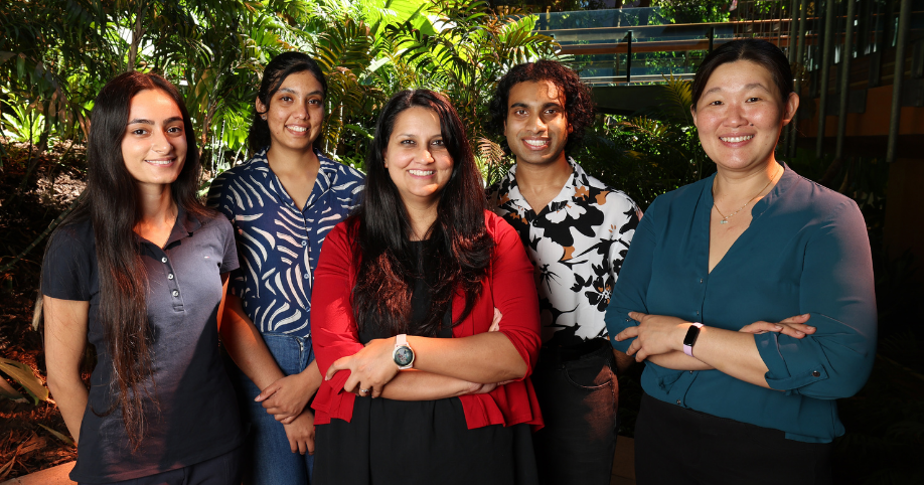
The Mater Research team, led by Professor Sumaira Hasnain in collaboration with Associate Professor Jake Begun, Dr Rabina Giri and Associate Professor Seth Cheetham, has revealed that IL-24 acts as a potent trigger for fibrosis.
It activates cells responsible for scar tissue formation and amplifies the effect of other inflammatory molecules.
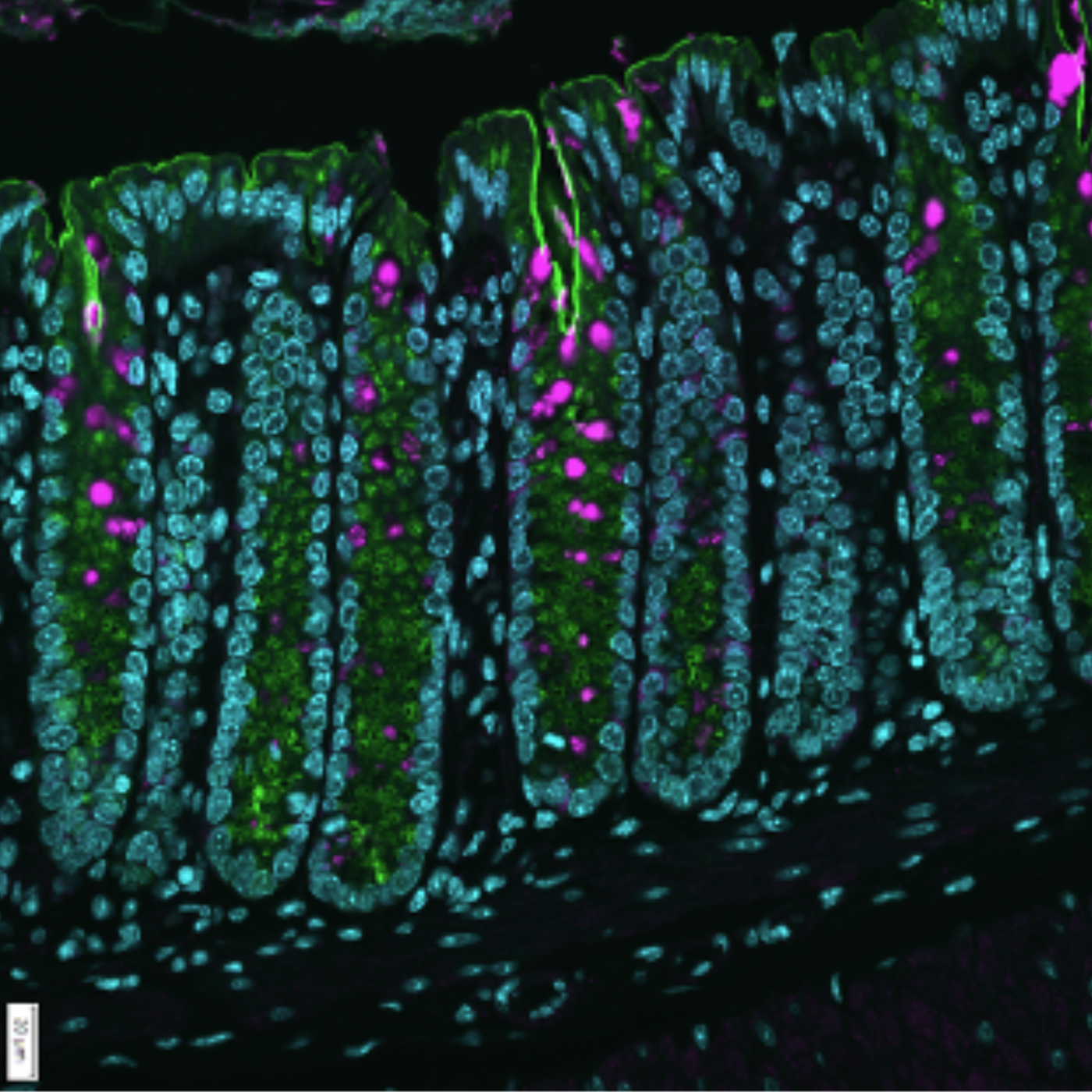
“Our preclinical studies indicate that blocking IL-24 can dramatically reduce fibrosis,” said Prof Hasnain, who leads Mater Research’s Immunopathology Research Group.
“This discovery opens the door to therapies that could change the lives of thousands of patients.”
The team is now developing targeted treatments to inhibit IL-24, including cutting-edge mRNA therapies designed to reduce IL-24 production at its source.
Promising candidates will be tested on patient-derived intestinal organoids—miniature lab-grown versions of the human gut—before moving into preclinical trials.
“This research is a critical step toward addressing an unmet medical need,” said Prof Hasnain.
“By targeting fibrosis directly, rather than just inflammation, we hope to reduce reliance on surgery and improve long-term outcomes for people living with Crohn’s disease and other forms of IBD.”