A landmark global study has delivered a vital piece of the puzzle in the care of extremely premature infants, challenging decades of anxiety regarding the use of oxygen in the delivery room.
The National Health and Medical Research Council (NHMRC) funded TORPIDO 30/60 study, published in the Journal of the American Medical Association (JAMA), is the largest trial of its kind and addresses one of neonatology’s most persistent "Goldilocks" dilemmas - how much oxygen is just right to save a baby born at 23 to 28 weeks without causing lasting damage?
Clinical guidelines have long recommended starting resuscitation with a low oxygen rate of just 30 per cent due to fears of "oxygen toxicity"—where excess oxygen damages delicate tissues in the eyes, lungs, and brain.
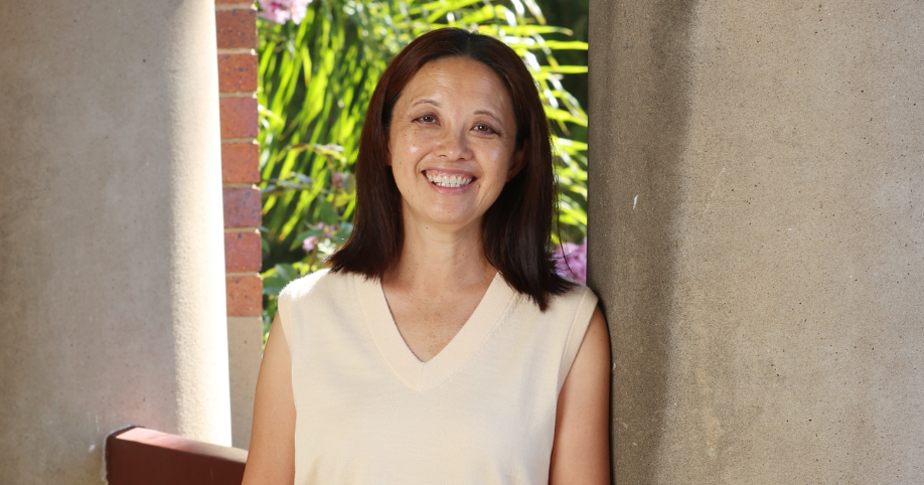
The study, led by Professor Ju-Lee Oei from Mater Research, UNSW and the Royal Hospital for Women Randwick, challenged this belief by tracking 1,641 newborns to compare the standard 30 per cent level against a higher 60 per cent starting dose.
The results showed that the higher oxygen level did not increase the risk of death or brain injury and, crucially, babies that started on 60 per cent were more stable in the first 10 minutes of life, requiring fewer emergency interventions such as chest compressions or epinephrine to keep their hearts beating.
Prof Oei, who is the Chair of Neonatology at Mater Research, says the findings offer much-needed confidence to clinicians who often face agonising decisions in the first minutes of a micro-premmie’s life.
"For decades, we have been paralysed by the fear of oxygen toxicity,” she said.
“The pendulum swung from using pure oxygen to using room air, but for babies born this early whose lungs are critically immature, we suspected that starting too low was leaving them hypoxic and vulnerable to crashing.
"Our data shows that starting at 60 per cent helps these fragile infants 'pink up' and stabilise their heart rates faster, significantly reducing the need for traumatic physical interventions like CPR in the delivery room.
“While this didn't statistically change survival rates at 36 weeks, avoiding chest compressions on a 500 gram baby is a clinically meaningful win for both the infant and the medical team. "
This Australian-led initiative was trialled at 31 hospitals across Australia, India, Malaysia, Singapore, Spain and the US.
"This study tells us we can safely provide more oxygen in those first golden minutes to prevent a crash," Professor Oei added.
"It clears the path for future research to see if even higher initial doses could finally tip the scales on long-term survival."
The full study, titled Targeted Oxygen for Initial Resuscitation of Preterm Infants (TORPIDO 30/60) was published in JAMA (Journal of the American Medical Association) in December 2025.
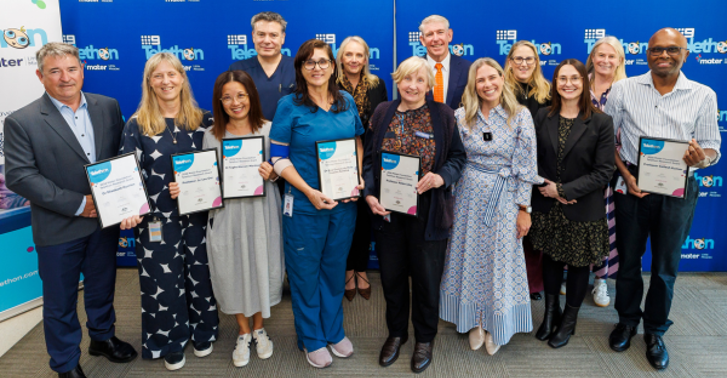
Prof Oei is supported by Mater Foundation through the Nine Telethon for Mater Little Miracles.