Queensland women are joining forces with scientists to tackle breast and gynaecological cancers as survival disparities and rising diagnoses put thousands at risk.
Breast cancer remains the most commonly diagnosed cancer among Queensland women, while ovarian and endometrial cancers carry some of the lowest survival rates. Indigenous women face even greater risks, with higher prevalence and poorer outcomes.
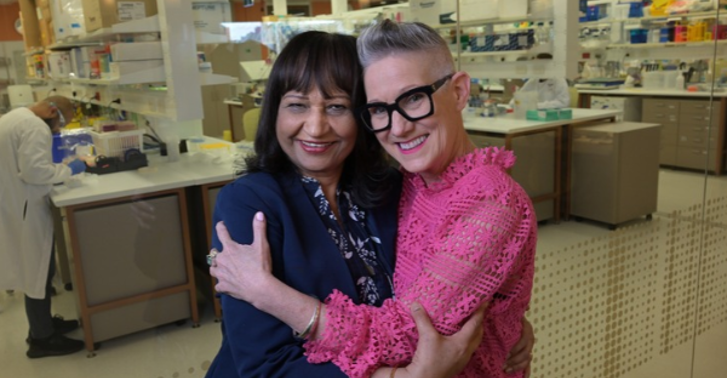
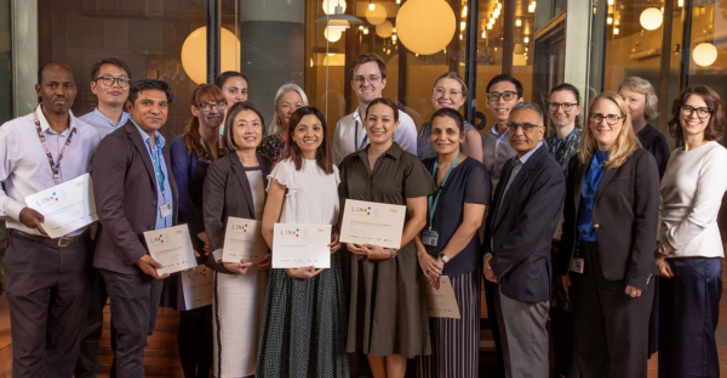
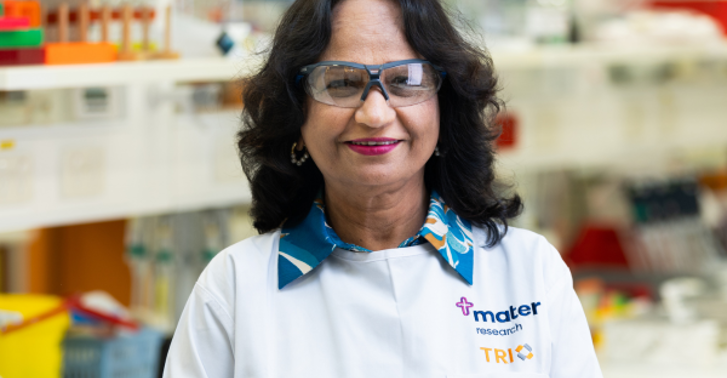
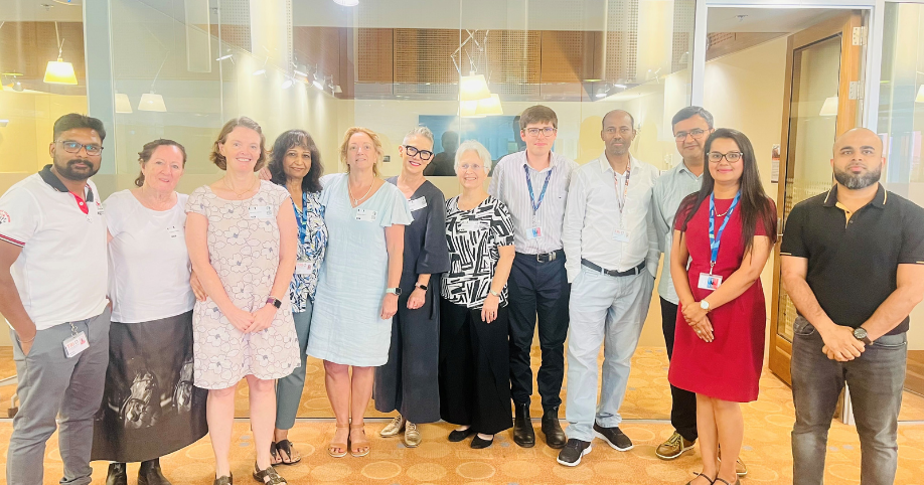
Mater Research is committed to putting patients at the centre of cancer research. At a recent Brisbane event hosted by Professor Kum Kum Khanna, who leads the Tumour Biology and Therapeutics Research Group, women with lived experience of cancer as a patient, family member or carer sat alongside leading scientists to share insights, challenge assumptions and collaboratively shape translational strategies for advancing breast and gynaecological cancer therapeutics. The overarching message was clear - research must be patient-centred, inclusive and accessible.
Community Research Advocate and member of the Research Advisory Committee of the Australia New Zealand Gynaecological Oncology Group (ANZGOG) Wanda Lawson said that when consumers are involved from the start, research becomes more relevant, more ethical and ultimately more impactful for the people it aims to help.
“Consumer involvement keeps research patient centred,” Ms Lawson said.
“Sometimes it feels like consumers are just tick boxes - we need feedback and real partnership.”
Ms Lawson, a gynaecological cancer survivor, credited her vigilant GP for early detection and warned that too many women are dismissed when symptoms are mistaken for menopause. She called for inclusive trials that include ethnic minorities, rural patients and adolescents - groups often underrepresented in research.
“Clear engagement must be meaningful, not a tick-box exercise, and scientists should make research accessible to the ultimate beneficiaries - the patients it is designed for,” she said.
Mater Research scientists are responding with cutting-edge projects that are driven by consumer involvement:
- Dr Asmerom Sengalis using patient-derived organoids and single-cell mapping to predict aggressive endometrial cancer and personalise treatmentto tackle inequities in endometrial cancer.
- Dr Prahlad Raninga is developing strategies to re-sensitise ovarian tumours to chemotherapy and target glutamine metabolism alongside innovative use ofpatient-derivedtumour explant models to predict treatment outcomes.
- Dr Murugan Kalimuthois advancing breast cancer research through metastasis-targeting therapies, protein-degrading drugs (PROTACs)and repurposing existing medicines to fast-track treatment options.
Members of the Mater Research Health Consumer Network praised the clarity of these presentations and engaged in robust discussions about trial design, misinformation and the need for biomarker-driven “basket trials”, before sharing their own powerful insights, which reflect the diverse needs and priorities of those affected by cancer.
- Vivian Crick, who was diagnosed with metastatic breast cancer at 44called fora holistic approachto care and research study design that sees the whole human and not just the disease, noting that quality of life is everything.
- Lynelle Armitage drew on her lived experience with ovarian cancer, stressingthe importance of face-to-face communication and training for consumer assessors.Ms Armitageunderscoredthe role consumers play in shaping successful research proposals and works with Mater Researchers tohelp make grant applications strongerto ensure research gets funded.
- Michelle Lambert highlighted practical self-care strategies during treatment.
- Gaylene Smith spoke about improving trial quality and addressing the emotional impact of survivorship.
The event, which was funded by Mater Research through the UQ Consumer and Community Involvement (CCI) Kickstart Funding Scheme to support researchers in building relationships with consumer partners to embed their voices and lived experiences in research. The session closed with a shared commitment to plain language, transparent feedback and broader trial representation.
Prof Khanna said that together, we can co-create research that is rigorous, compassionate and truly patient-centred.”
Want to help shape research that matters?
Email consumer.engagement@mater.uq.edu.au or sign up here.