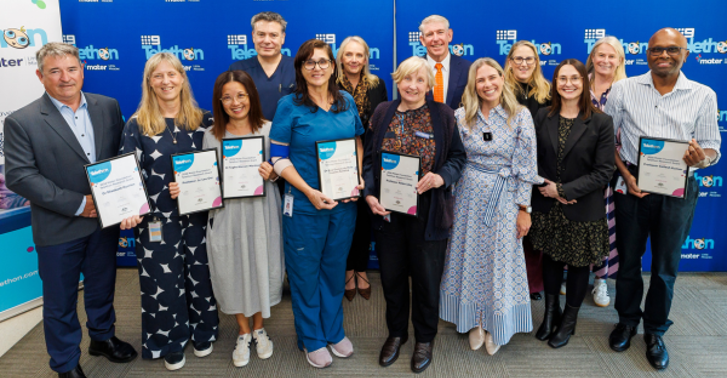
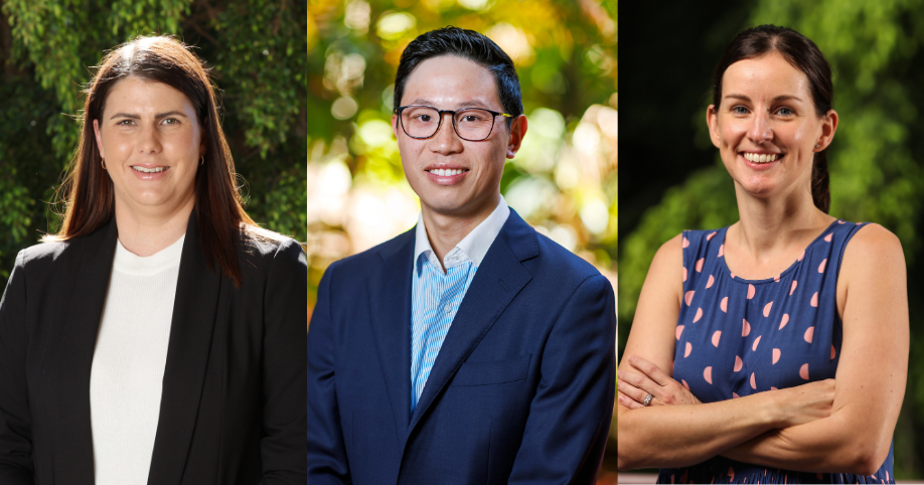
Three Mater clinicians have been awarded 2025 Betty McGrath Grants to lead projects that tackle some of healthcare’s most pressing challenges such as easing pain after endometriosis surgery, improving recovery for intensive care survivors and ensuring compassionate care for families after the loss of a baby.
Mater Research Executive Director Professor Allison Pettit said the grants reflect Mater’s commitment to clinician-led research that delivers real-world impact for patients and families across Queensland and beyond.
“These projects show how Mater clinicians are identifying gaps in care and designing practical solutions that can be implemented quickly to improve patient outcomes,” Prof Pettit said.
“The Betty McGrath Grants are about supporting ideas that start at the bedside and have the potential to change practice – not just at Mater, but across the health system.”
2025 Betty McGrath Grant awardees:
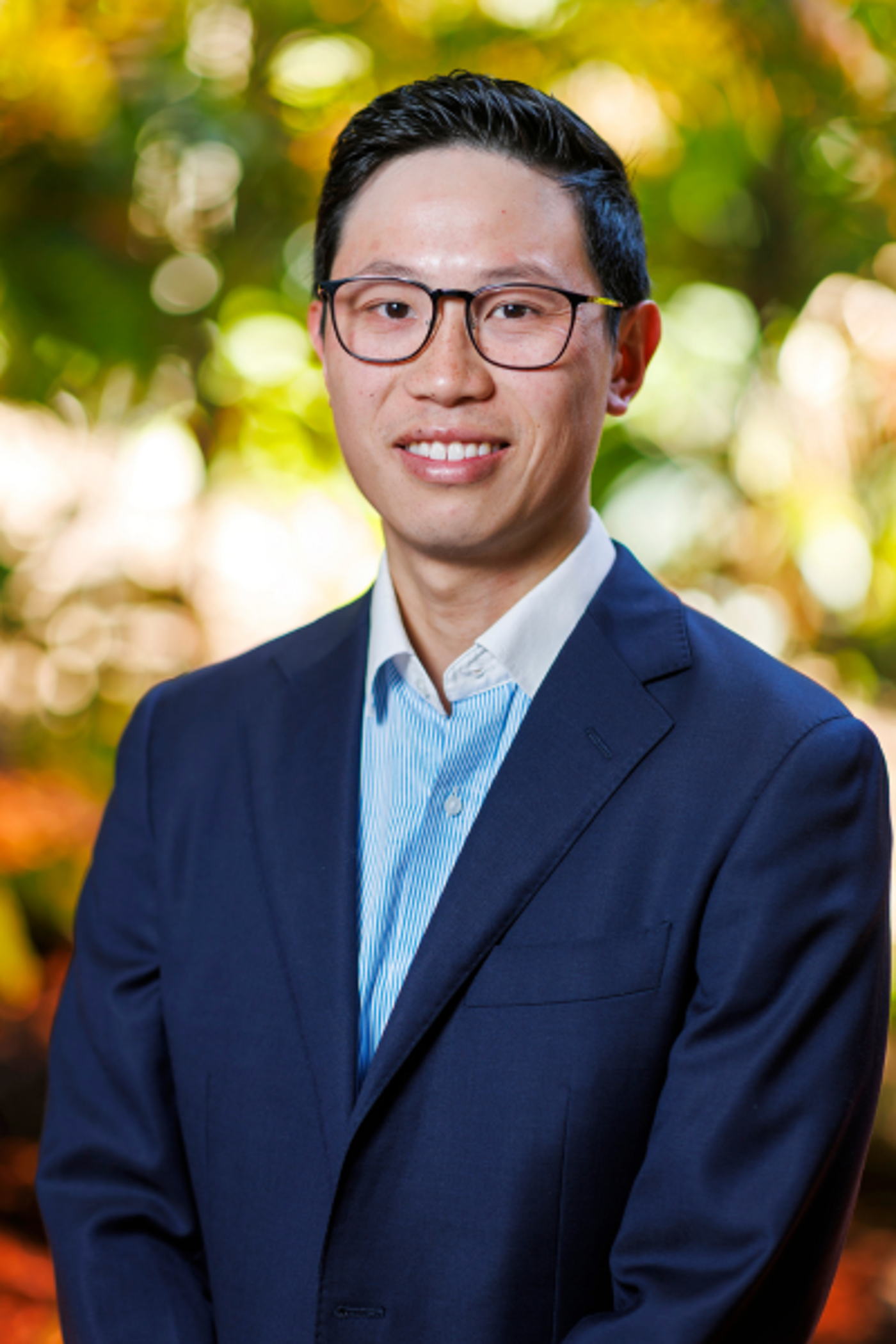
Dr Thomas Yeung
Efficacy of Intraoperative Superior Hypogastric Plexus (SHP) Block for Persistent Pelvic Pain Management in Endometriosis Patients
Lead Investigator: Dr Thomas Yeung
Women undergoing advanced laparoscopic surgery for endometriosis frequently experience significant postoperative pain and require opioid medications. This can delay recovery and increase the risk of side effects such as nausea, drowsiness, constipation, and, in some cases, ongoing opioid use.
Dr Yeung’s project will test a simple but promising technique – a targeted nerve block (SHP). By numbing the nerve bundle that carries pain signals from pelvic organs, the SHP block could reduce pain at its source, cut opioid use and help women recover faster.
The study will run as a randomised clinical trial at Mater Mothers’ Hospital, comparing standard care with and without the SHP block. If successful, this low-risk, quick procedure could be adopted widely, improving patient comfort and safety while reducing the burden on healthcare teams.
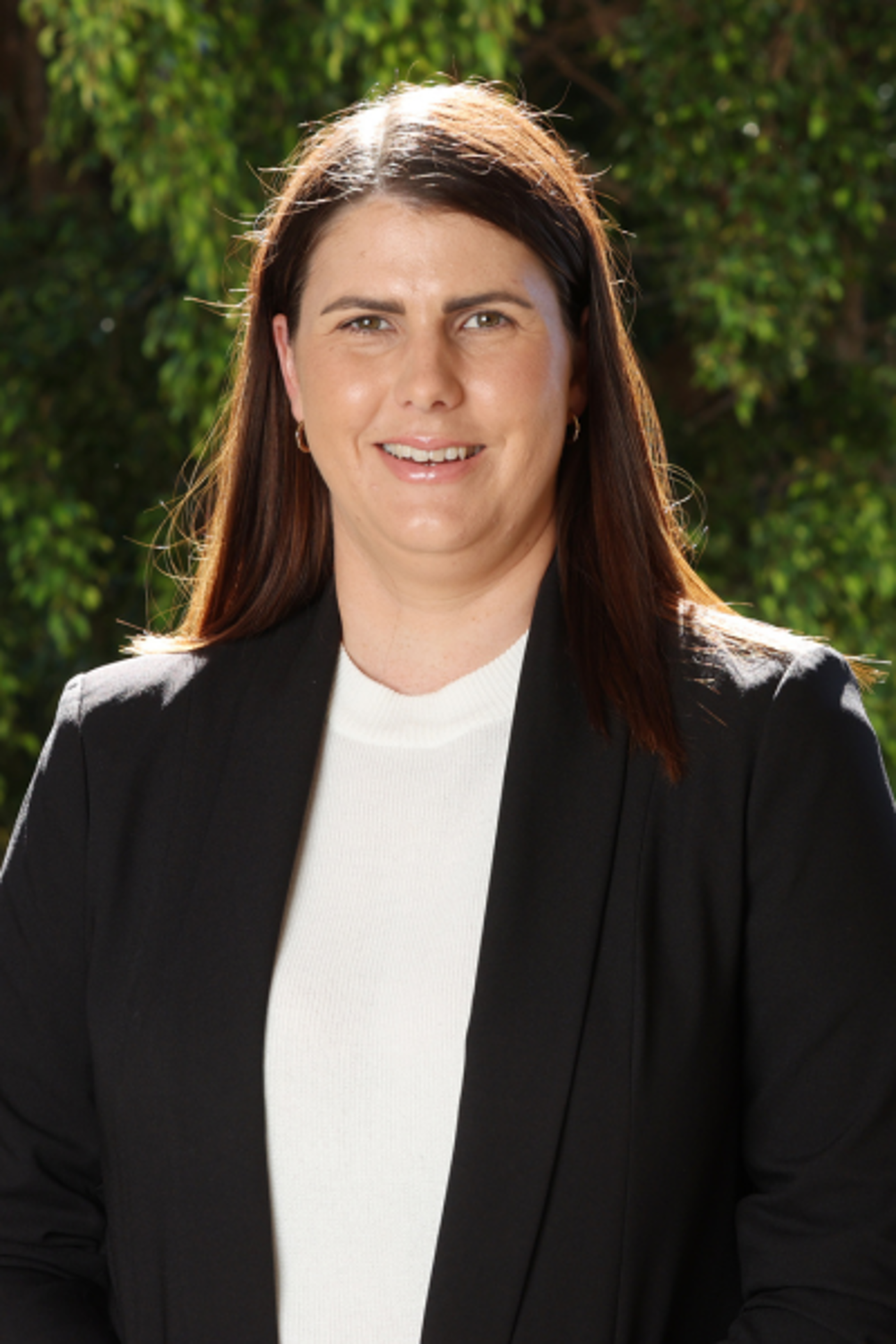
Emma Porter
Connecting Care for Families After Baby Loss
Lead Investigator: Emma Porter
Every year, more than 750 Queensland families experience the heartbreak of losing a baby during pregnancy or shortly after birth. While Mater Mothers’ Hospital in Brisbane has long provided world-class bereavement care, many regional Mater hospitals lack the same level of specialist support.
The Connecting Care project aims to create a sustainable hub-and-spoke model, linking Brisbane’s expert team with regional sites like Townsville, Mackay, Rockhampton and Springfield. The project will start by evaluating current practices, then co-designing solutions with clinicians and bereaved families—such as training programs, practical toolkits, and telehealth mentoring.
By building local capability and strengthening systems for follow-up and case review, Connecting Care will ensure that every family receives compassionate, culturally safe and consistent care – no matter where they live, This model could become a blueprint for improving bereavement care across Queensland and beyond.
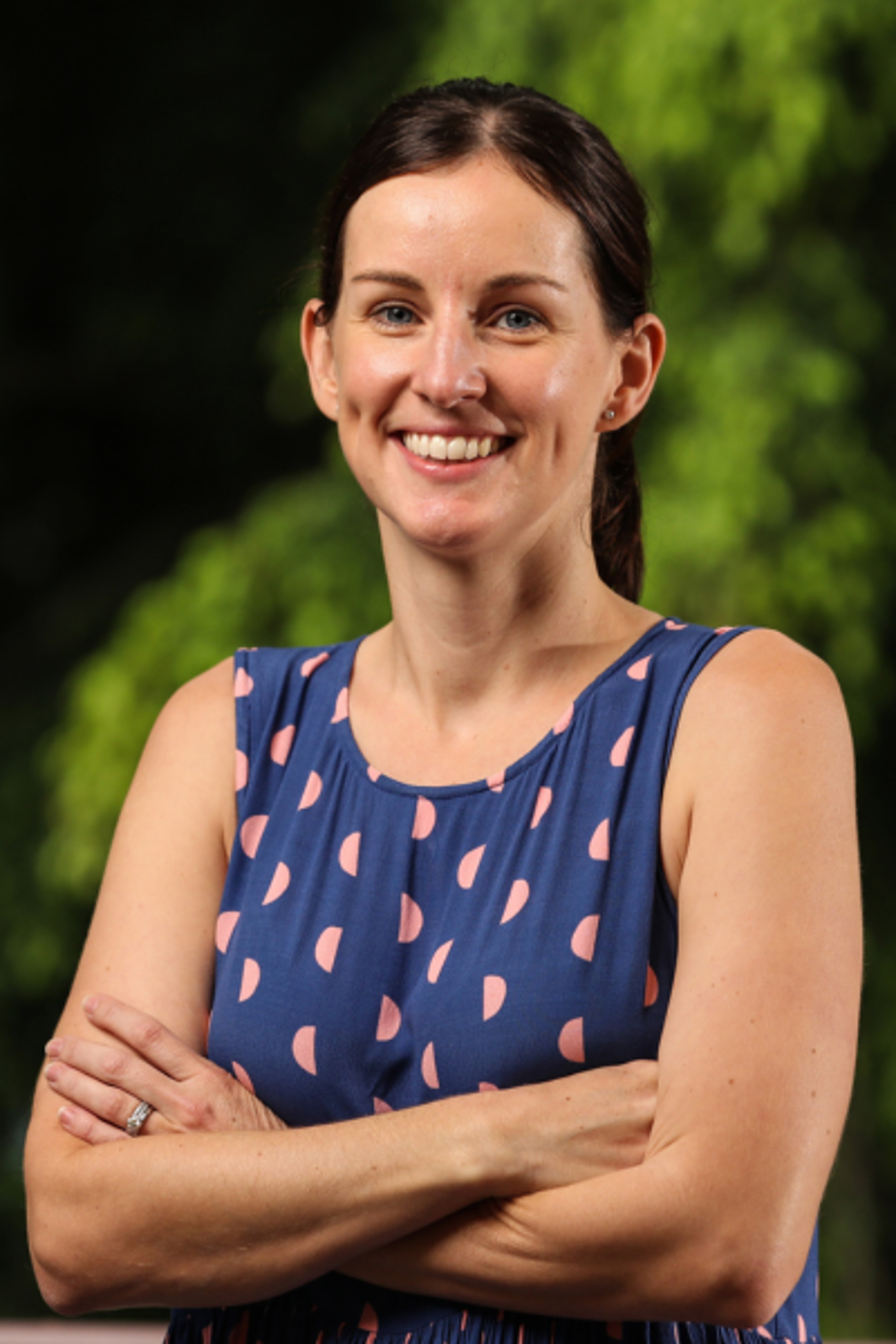
Felicity Prebble
“Inspire Beyond ICU”: Multicentre randomised trial of inspiratory muscle training to improve quality of life in ICU survivors
Lead Investigator: Felicity Prebble
For many of the 182,000 adults who are admitted to an intensive care unit (ICU) each year in Australia, surviving their stay is only the beginning. Those who spend days on a ventilator often leave ICU with severely weakened breathing muscles, making everyday activities exhausting and slowing their recovery. This weakness is linked to poor quality of life and even higher risk of death.
The Inspire Beyond ICU trial will test whether a structured six-week program of inspiratory muscle training (IMT)—specialised breathing exercises using handheld devices—can improve recovery for these patients. Training begins in ICU and continues after discharge, supported by smart technology to track progress.
Previous studies show IMT is safe and boosts breathing strength, but this is the first large-scale trial to see if it truly improves quality of life for ICU survivors. If effective, IMT could become standard care, helping thousands of patients regain independence and reducing the long-term impact of critical illness.
Prof Pettit said the diversity of projects funded by Betty McGrath Grants this year highlights the strength of Mater’s clinician-researcher community.
“From surgical innovation to critical care recovery and compassionate bereavement support, these projects demonstrate the breadth of expertise at Mater and our shared commitment to improving health outcomes for all,” she said.