For some newborns, the stress of being born can mean that their first hours of life are a fight for survival.
A severe lack of oxygen or blood flow to the brain during labour or birth can cause neonatal hypoxic-ischaemic encephalopathy (HIE), a potentially devastating condition that may result in death or lifelong neurological disability.
Advances in neonatal care have improved outcomes and offered hope to families, and the current gold-standard treatment, therapeutic hypothermia, carefully cools a newborn's body for 72 hours immediately after birth, significantly reducing brain injury and improving survival rates.
Despite the remarkable success of cooling therapy, some infants remain at risk of long-term neurological impairment, highlighting an urgent need for additional therapies to give these infants the best possible start in life.
In a new study published in JAMA Pediatrics, researchers have provided some of the strongest evidence to date for the care of newborns with HIE, demonstrating the value of large-scale international collaboration in improving outcomes for vulnerable infants.
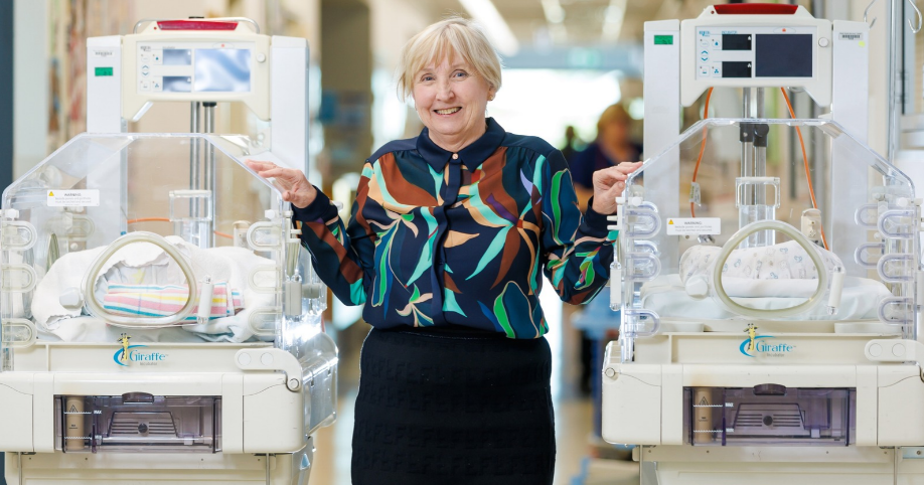
Led by Mater Research’s Professor Helen Liley, the PAEAN trial was a multicentre, international clinical study that explored whether the hormone erythropoietin (EPO) could improve outcomes when used alongside therapeutic cooling.
The phase 3 randomised clinical trial was conducted across 24 neonatal intensive care units in Australia, New Zealand and Singapore, enrolling 313 newborns with moderate or severe HIE. Infants received either five intravenous doses of EPO during their first week of life or a placebo, in addition to standard cooling therapy.
After two years of follow-up, including detailed neurological and developmental assessments, researchers found that EPO did not improve outcomes, and rates of death or moderate-to-severe disability were similar between babies who received EPO and those who received a placebo.
Professor Helen Liley said that although EPO did not provide the additional neuroprotection researchers had hoped for, the findings represent an important advance for newborn medicine.
“High-quality clinical trials are essential to ensure babies receive treatments that are truly effective,” Prof Liley said.
“While laboratory and early clinical studies had previously suggested EPO might help protect the developing brain following oxygen deprivation, by definitively showing that it does not improve outcomes for infants with HIE receiving therapeutic cooling, we can focus future research efforts and resources on other promising therapies.
“Most importantly, these results provide clinicians and families with clear, evidence-based information and reinforce that therapeutic cooling remains the best available treatment for babies affected by HIE. The study also provides contemporary information about the outcomes of HIE in our part of the world, which can help us with informing families, and should help in the design of future clinical trials”.
The full study, titled “Erythropoietin for Neonatal Hypoxic-Ischemic Encephalopathy A Randomized Clinical Trial” was originally published in JAMA Pediatrics in July 2026.