
A pioneering clinic at Mater Mothers’ Hospital is leading the charge to protect women from ticking health time bombs long after they bring their babies home—and the model could help reshape how women receive preventative healthcare after pregnancy.
Pregnancy complications such as gestational diabetes mellitus (GDM), pre-eclampsia and dangerously high blood pressure are often treated as temporary hurdles that vanish once a baby is born. However, medical experts warn these conditions act as an early "stress test" for a woman's body—multiplying her lifetime risk of suffering a heart attack, stroke or Type 2 diabetes.
Now, these mothers are being thrown a vital health lifeline, with a transformative initiative known as the 4HER clinic bridging the notorious ‘missing gap’ in postpartum care.
Developed by a team of leading clinician researchers from Mater Research and Mater Mothers' Hospital, the innovative clinical model has successfully embedded a dedicated post-pregnancy cardiometabolic health clinic into routine care, enabling earlier identification of women at elevated long-term cardiometabolic risk. A review of the model of care has now been published in the Australian and New Zealand Journal of Obstetrics and Gynaecology (ANZJOG).
Between November 2024 and June 2025, 126 women attended the clinic. Through comprehensive risk screening, including dietary and physical activity assessments and waist circumference measurements, women were assigned lifetime cardiovascular risk scores to help identify those at greatest long-term risk and support referral back to primary care. Despite well-recognised challenges in engaging women after pregnancy, more than 70 per cent of eligible mothers attended the clinic.
More than half of women assessed were identified as having a high lifetime risk of cardiovascular disease.
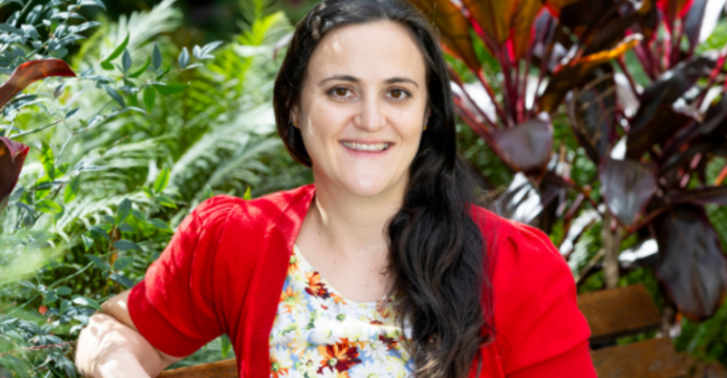
Associate Professor Shelley Wilkinson, a leading Australian researcher in maternal health and implementation science, said the initiative is designed to shatter the old-school mentality that a mother's health takes a backseat after the standard six-week checkup.
“While standard postnatal care has traditionally focused almost entirely on the newborn, 4HER shifts the lens back onto the mother,” A/Prof Wilkinson said.
“This means that we can catch women in that critical window after childbirth to identify heart and metabolic risk factors early and create opportunities to reduce their future risk of chronic disease.”
The 4HER clinic streamlines comprehensive health evaluations—checking blood pressure, cholesterol and blood glucose profiles—while pairing mothers with targeted lifestyle coaching, nutritional guidance and seamless handovers to their local GPs.
Associate Professor Josephine Laurie said that pregnancy is one of the most profound physiological stress tests a human body can undergo.
"If a mother develops gestational diabetes or pre-eclampsia, her body is sending an early, flashing warning signal about her long-term cardiovascular and metabolic future," A/Prof Laurie said.
“We cannot afford to wait until these women are in their 40s, 50s, or 60s presenting with heart disease or diabetes when we can catch the risks right now."
By integrating preventative cardiometabolic medicine straight into routine hospital workflows, the multidisciplinary research team has created a new model of care that can easily be adapted across the country.
“We have designed the program to empower mums with the knowledge and support they need to look after their own health while navigating the whirlwind of early motherhood,” A/Prof Wilkinson said.
“By identifying risk early and connecting women with ongoing care, we have an opportunity to improve long-term health outcomes for mothers well beyond pregnancy.”
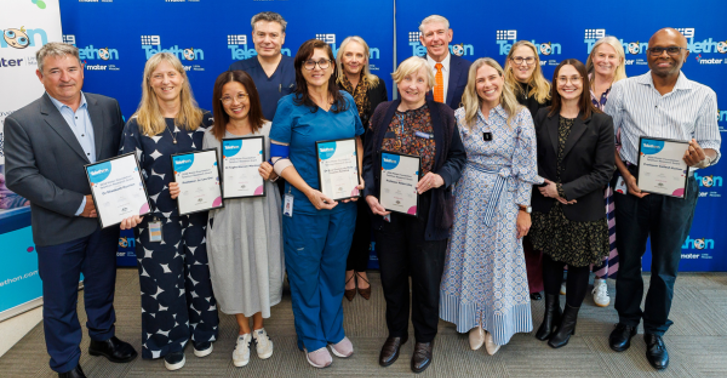
The generous support from the Australian Government and the Nine Telethon Mater Little Miracles campaign is gratefully acknowledged.