Equity, diversity and inclusion in the workplace continue to be deeply embedded values in Mater Research’s culture. Since 2017, the Strategic Grant for Outstanding Women has supported talented women researchers in overcoming career-specific challenges.
Designed to help close the gender gap in STEMM fields (Science, Technology, Engineering, Mathematics and Medicine), the grant is enabled by Mater Foundation and offers flexible funding to support each recipient's unique career journey.
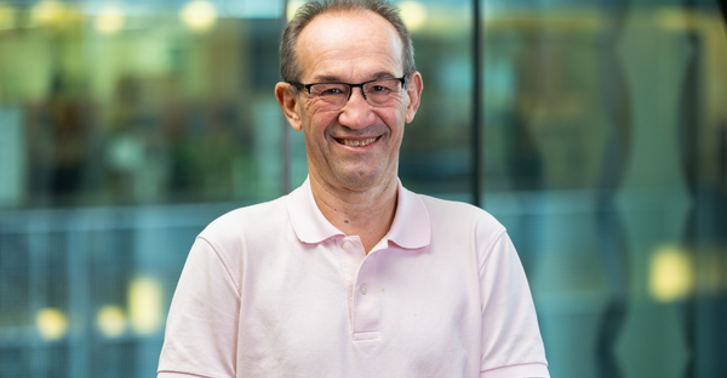
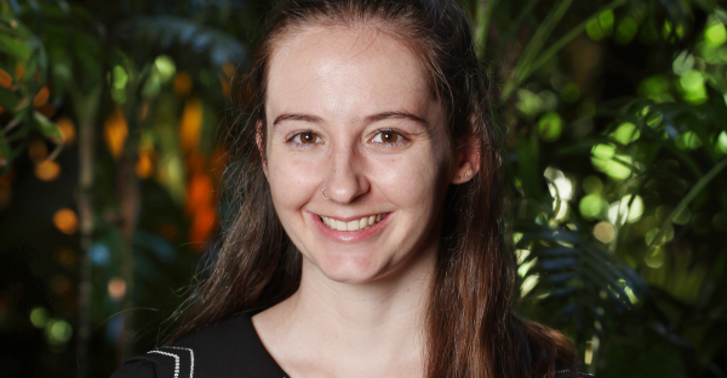
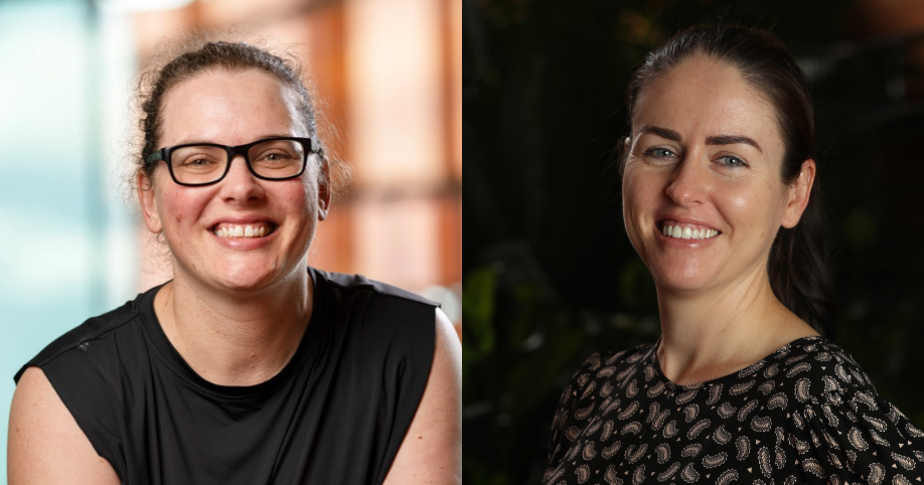
This year, in recognition of their remarkable achievements and potential, two outstanding researchers have each been awarded this prestigious grant. Congratulations to winners Dr Michaela Kindlova and Dr Kylie Alexander for their dedication to advancing science and medicine.
Mater Research Executive Director Professor Allison Pettit congratulated both recipients.
“Michaela and Kylie are outstanding researchers,” Prof Pettit said. “Watching their continued growth is a privilege.”
Unlocking the hidden switches of pancreatic cancer
Dr Michaela Kindlova is a Senior Research Officer in the Translational Bioinformatics Group who has transitioned from an early-career trajectory in parasitology to molecular biology and bioinformatics. Her work now investigates genomic and epigenomic aberrations in disease-related processes, with a primary focus on oncology.
Dr Kindlova said the grant will allow her to build upon her recent funding—including grants from the TRI LINC scheme, Mater Research EMCR seeding program, and Pankind—to expand into new, high-impact scientific directions exploring pancreatic cancer initiation.
Dr Kindlova said that pancreatic cancer is a highly lethal malignancy.
“The one-year survival rate remains at just 30 per cent, highlighting an urgent need for innovative early-detection strategies,” Dr Kindlova said.
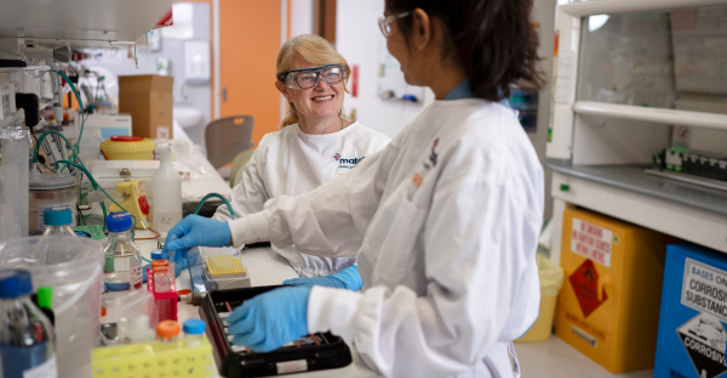
Using advanced genetic sequencing technology, the project explores how normal cells switch their behaviour and turn into cancer.
By creating laboratory models that mimic these chemical changes, Dr Kindlova aims to track how healthy cells turn into cancer over time and use those insights to develop early warning tests for patients.
In addition to driving experimental throughput, the funding will support Dr Kindlova in expanding her leadership profile, mentoring students, presenting data at national and international conferences, and strengthening her competitiveness as a Chief Investigator for major national grant schemes.
Dr Kindlova noted that navigating career disruptions, family responsibilities, and lived mental health experiences has fostered deep resilience and adaptability.
“Receiving this grant is incredibly meaningful,” Dr Kindlova said. “It provides the momentum and protected time needed to accelerate my research outputs, establish my independent research niche, and progress toward senior leadership. I’m proud to be supported by Mater Research, an institute that champions women through real opportunities to lead and grow.”
Pioneering discoveries in neurogenic heterotopic ossification
Dr Kylie Alexander is a Senior Research Fellow in the Stem Cell Biology Group, and the recently appointed Head of Education. Specialising in osteoimmunology, her research explores the connection between the immune, endocrine, and skeletal systems following severe neurological injuries.
Dr Alexander said she will use the grant to support critical research staff, enabling her to balance her new institutional leadership and service roles while generating essential preliminary data for future major grant schemes.
“A devastating complication after serious neurological injury such as spinal cord injury is neurogenic heterotopic ossification (NHO), where abnormal bone grows in soft tissues around joints, causing severe pain and restricting movement,” Dr Alexander said.
“Currently, the only treatment is complex, risky surgery, and in some cases, the bones grow back.”
“Using our specialised pre-clinical model, we have identified key biological pathways that drive this condition. Thanks to this grant, we can explore alternative therapeutic targets, such as repurposing existing drugs to prevent NHO development when standard approaches aren't viable.”
Dr Alexander said that her career trajectory has been shaped by early career disruptions, primary carer responsibilities, and a major transition into her current field.
“Balancing administrative workloads, lab dependencies, and new leadership responsibilities presents structural barriers, but this grant provides the crucial capacity protection I need,” Dr Alexander said.
“My goal is to establish an independent research program, translate these discoveries into clinically relevant therapies that improve patient outcomes, and ensure a lasting impact on disease prevention. I am deeply grateful to Mater Research for backing my vision and supporting women in science.”