This World Breastfeeding Week, Mater researchers are celebrating the remarkable power of breastmilk, uncovering new evidence that it could hold the key to preventing Type 1 Diabetes (T1D) in early childhood.
The incidence of T1D is rising rapidly across Western countries—faster than can be explained by genetic factors alone. With no current cure, researchers are investigating environmental factors that could prevent the disease from developing, looking closely at the protective properties hidden in breastmilk.
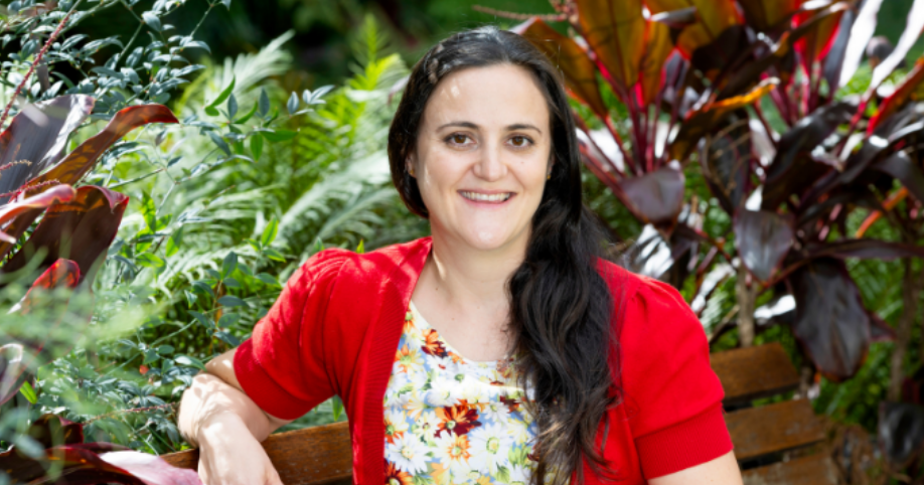
Backed by a $50,000 TRI LINC grant, a collaborative research team co-led by Mater Midwife and Lactation Consultant Maria Oliveri and Dr Bree Tillett, a bioinformatician from The University of Queensland Frazer Institute, is investigating exactly how long mothers need to breastfeed to maximise these protective benefits.
Mrs Oliveri said that breastmilk is a dynamic, living fluid, abundant in immune properties that are the foundation of the child’s lifelong health and immune response.
“With breastmilk’s ability to adjust in composition to meet the individual needs of the infant feeding, understanding how breastmilk proteins and bioactive ingredients protect against chronic disease is important for T1D and other autoimmune conditions, " Mrs Oliveri said.
"By analysing infant stool samples, we have identified specific breastmilk proteins associated with a reduced risk of progressing to islet autoimmunity, the immune system reaction that acts as a precursor to T1D.
“This preliminary data is already showing immense promise."
To understand exactly how this works, the team will analyse 445 breastmilk samples collected from 189 mothers involved in the Australia-wide ENDIA (Environmental Determinants of Islet Auto-Immunity) study. Using highly sensitive mass spectrometry, the researchers expect to identify approximately 4,000 human proteins per sample across different stages of lactation.
The study will also analyse dietary questionnaires completed by the mothers during pregnancy to determine if a mother's diet can actively boost the production of these protective breastmilk proteins.
Through this, the team hopes to provide definitive proof of breastmilk's protective role to help strengthen breastfeeding rates and support mothers to breastfeed as much as possible, for as long as possible, to best protect their children.
For Mrs Oliveri, improving care for patients with T1D is deeply personal, as a Type 1 Diabetic herself and mother of three, she understands firsthand the unique challenges and anxieties faced by expectant and new mothers managing the condition.
"Mothers with T1D are very concerned about the likelihood of their infants developing T1D," she said.
"Breastfeeding and breastmilk, as much as possible for as long as possible is key in preventing T1D and many autoimmune conditions. However, many mothers with T1D face unique barriers that can make it difficult.”
“We hope by identifying specific protective proteins and longitudinal data linkage, we can better support infant-specific breastmilk, produced by the mother, as a viable, low-cost, targeted intervention in disease prevention for at-risk infants.”
The mechanisms uncovered by the Mater and UQ research team could also pave the way for preventing other related autoimmune conditions, such as coeliac disease.
"This study included mothers and fathers with T1D, providing unique insight into how even a non-diabetic mother’s breastmilk adapts and responds to infant needs. We hope that this study changes infant care on a global scale," Mrs Oliveri said.