Brisbane researchers may be on the brink of pulling off what has long seemed impossible, stripping the 'invisibility cloak' off Australia’s deadliest gynaecological cancer and uncovering why immunotherapy has failed to see it at all.
Immunotherapy works by harnessing the body’s own immune system to recognise and destroy cancer by activating immune cells to attack tumours in much the same way they would a virus. It has transformed outcomes for cancers like melanoma and lung by helping the immune system clearly identify cancer cells as dangerous.
But ovarian cancer is different. High‑grade serous ovarian tumours rarely send the 'danger' signals the immune system relies on, meaning the body doesn’t recognise them as a threat. With nothing to detect, even the most advanced immunotherapies have little impact.
Now, a Mater Research team believes they have uncovered a key mechanism behind this invisibility and have received $337,985 from the Ovarian Cancer Research Foundation (OCRF) to test whether they can flip ovarian tumours from 'cold' and unresponsive to 'hot' and vulnerable for the first time.
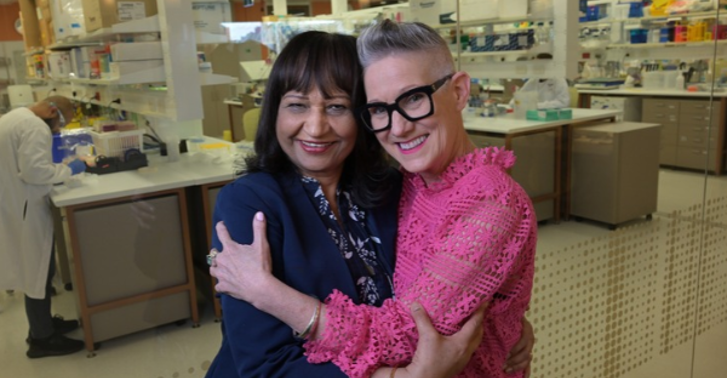
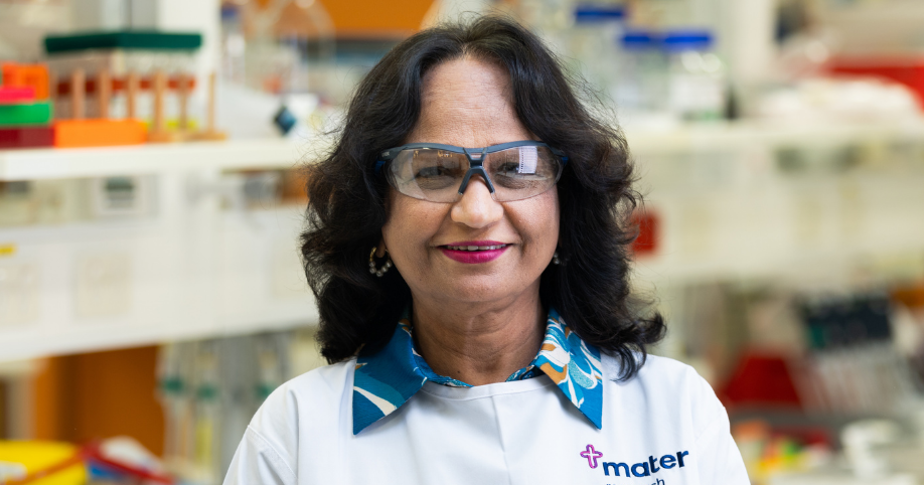
The research team, led by Professor Kum Kum Khanna will investigate whether blocking a protein called PP2A can 'unmask' ovarian tumours and make them susceptible to immune‑based treatment.
High‑grade serous ovarian cancer (HGSC) — the most common and aggressive form — is typically 'immunologically cold', meaning tumour cells evade recognition by the body’s defences. This new 18‑month project aims to change that.
Prof Khanna, who leads Mater Research’s Tumour Biology and Therapeutics Research Group, said that the team hopes to block the protein using a new drug, ultimately exposing the tumour to the immune system.
“Releasing stress signals and revealing tumour neoantigens could convert a ‘cold’ tumour into a ‘hot’ one — making it responsive to anti‑PD‑1 immunotherapy.”
Because LB‑100 is already in clinical trials for other solid tumours, the pathway to translation for ovarian cancer could progress rapidly if early results are promising.
The study uses advanced preclinical models that incorporate human immune cells, as well as patient‑derived tumour models to ensure findings reflect real‑world disease. Consumer advocates, including women with lived experience of ovarian cancer, contributed to study design and priorities.
For women whose cancer returns after chemotherapy, treatment options remain extremely limited. Immunotherapy‑based strategies could provide a much‑needed new pathway.
“Our goal is to generate strong scientific evidence to support future clinical trials,” Prof Khanna said.
“Ultimately, we hope this work leads to more personalised, immune‑guided treatment strategies and better outcomes for women with ovarian cancer.”
The project will commence on 1 July 2026.
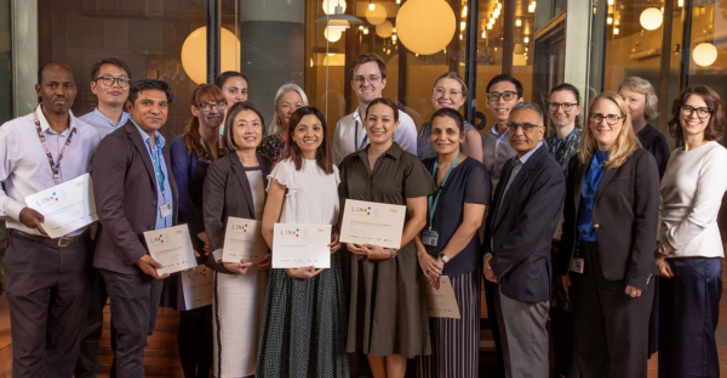
The project unites a multidisciplinary team of cancer biologists, immunologists and clinician‑scientists including Dr Zhian Chen - Immunologist (The University of Queensland), Dr Prahlad Raninga – Therapeutics specialist (Mater Research), A/Prof Pouya Faridi – Neoantigen expert (Hudson Institute) and Professor Riccardo Dolcetti – Clinician‑scientist (Peter MacCallum Cancer Centre).