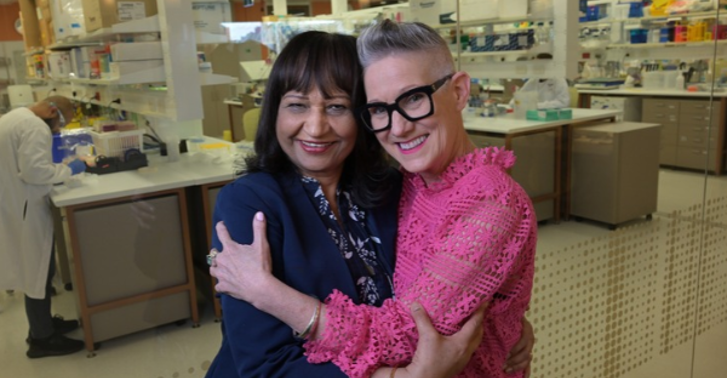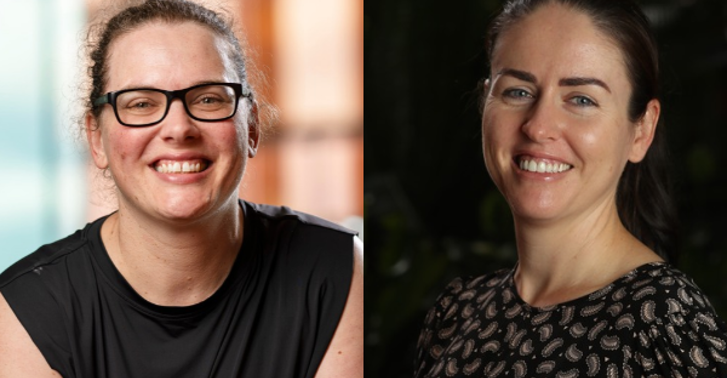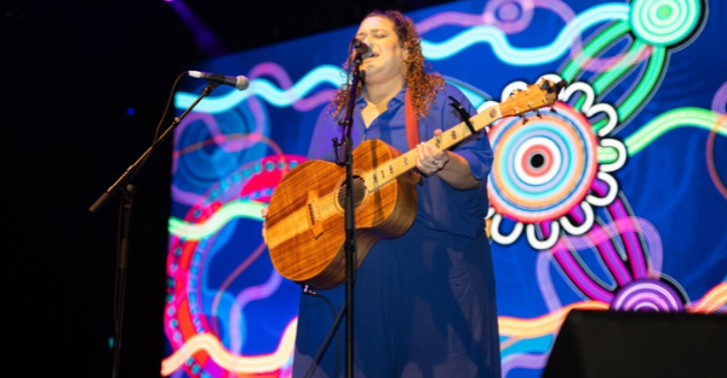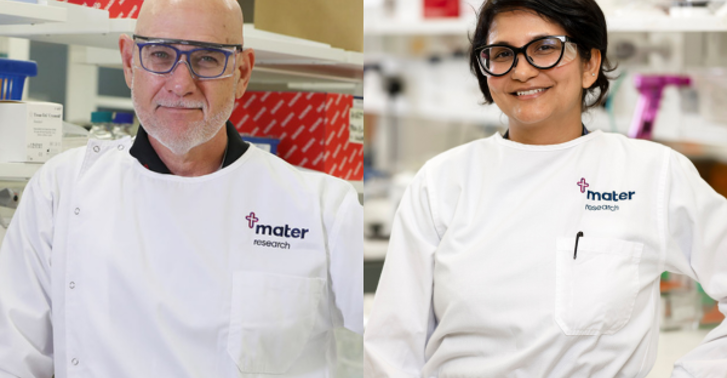
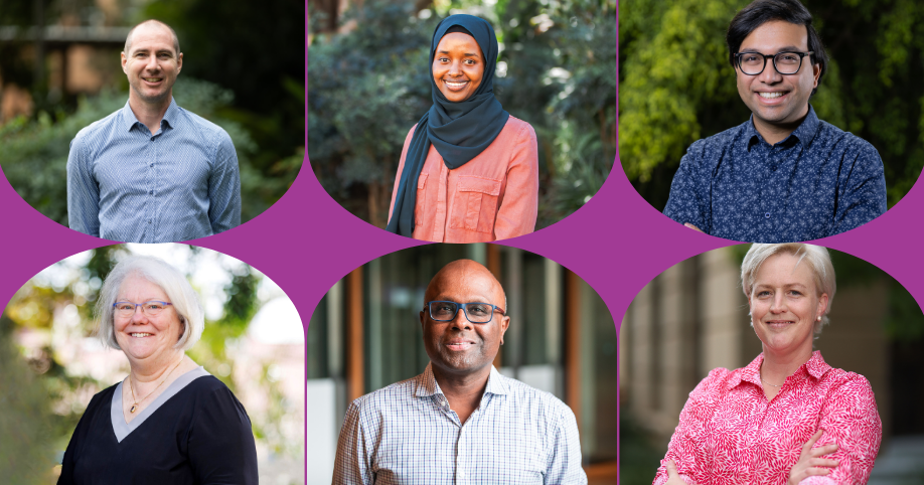
Six Mater Research projects that will embed lived-experience perspectives into research have received support through this year’s The University of Queensland (UQ) Consumer and Community Involvement (CCI) Kickstart Grants.
Each grant will provide $1,000 per project to support consumer engagement activities, supporting essential activities such as consumer meetings, co-design sessions and community workshops that help initiate or continue meaningful relationships with the patients and communities our research serves.
Mater Research Executive Director Professor Allison Pettit said integrating the community voice is a fundamental part of impactful science.
"When we engage consumers in our research, we aren't just ticking a box, we are ensuring that the science we pursue directly addresses the lived realities of our patients," Prof Pettit said.
"Partnering with the community gives our work focus, relevance and ultimately, a faster path to translating biomedical discoveries into real-world health outcomes.
“Congratulations to the research teams that are leading the way in consumer-partnered health research!”
Mr Kaltin Ferguson, Mater Research Biobank
Working alongside a multidisciplinary team including Associate Professor Lucy Burr and Dr Rohan Lourie, Mr Ferguson is integrating consumer input into the governance and oversight of the Mater Research Biobank.
The Mater Research Biobank is a critical resource that collects, processes and stores high-quality biological samples and associated clinical data to enable both current and future disease research. By engaging two consumer partners from the Mater Research Health Consumer Network through quarterly and steering committee meetings over a year, lived-experience perspectives will directly shape biobank governance, informed consent processes, privacy protocols and policies.
Dr Richard Fernandes, Inflammatory Bowel Disease Research Group
Dr Fernandes, alongside supervisors Associate Professor Jake Begun, Professor David Clark and Dr Rabina Giri, aims to establish Australia’s first Consensus Statement guidelines to standardise pre-operative, operative and post-operative surgical care pathways for people living with Crohn's disease.
A newly formed Consumer Advisory Group including patients with lived experience of Crohn’s disease and bowel surgery will be involved in three sequential virtual workshops to review draft clinical statements to ensure that national care standards are patient centred. Consumers will directly co-design the guidelines, including psychosocial, nursing and recovery components, ensuring real-world anxieties, preparation gaps, and postoperative quality-of-life needs are appropriately addressed.
Professor Sailesh Kumar, Genesis Maternal Fetal Medicine Research Group and Fetal Growth Clinic
Supported by a team including Ms Kate Jarrett and Dr Kristen Haakons, Prof Kumar is evaluating consumer experiences at Mater Mothers’ Hospital Fetal Growth Clinic. The clinic specialises in managing pregnancies affected by small-for-gestational-age risks, which carry higher chances of stillbirth and severe neonatal morbidity.
The grant will fund a focus group including women and their spouses whose lived experiences will help refine local care pathways and provide opportunities to build relationships with consumer partners interested in collaborating on future research projects and grant applications.
A/Prof Liisa Laakso, Allied Health Research Group
Collaborating with a multidisciplinary team including Ms Lisa Parry and Dr Rebecca Phillips, A/Prof Laakso's PreventCASSM project aims to preserve muscle, strength and appetite in people undergoing chemotherapy through earlier identification, support and intervention for those at risk of treatment-related muscle loss and malnutrition. Through a detailed survey and a 90-minute workshop, a panel of eight consumer partners from the Mater Research Health Consumer Network with lived experience of chemotherapy will provide insights into the barriers to exercise and diet during treatment, co-designing an evidence-based approach for clinical translation.
Dr Jodi Saunus, Mater Career Track Fellow
Dr Saunus and a collaborative team including Professor John Hooper and Associate Professor Mark Pinkham are developing a new treatment for brain-metastatic breast cancer by pairing precision radiation therapy with immunotherapies.
The team will involve consumer partners with lived experience of advanced breast cancer to provide input on research priorities and review grant applications, ensuring that preclinical research is guided by real patient needs and that communications are accessible for consumer-focused funding bodies like the National Breast Cancer Foundation.
Dr Salma Ahmed, Indigenous Health Research
Co-designed alongside an Indigenous Steering Committee, the Strong Families Study is a birth cohort study focussed on Aboriginal and Torres Strait Islander maternal and infant health. Dr Ahmed and her team will use the grant to support a culturally appropriate, community-led joint launch of the study's Cairns and Mareeba recruitment sites.
Partnering locally with Wuchopperen Health Service and Mulungu Aboriginal Corporation, the project will involve 20 early participant families to share their experiences, strengthen community trust and drive local ownership and retention.