Queensland cancer researchers have identified a new combination treatment that completely halts the growth of tumours in laboratory studies.
The Mater Research team said the novel treatment causes increased inflammation when cancer cells are killed, which encourages the body’s immune system to attack the tumour.
The pre-clinical study involved melanoma, ovarian and lung cancer models and researchers believe the trial combination could be effective against a broad range of cancers.
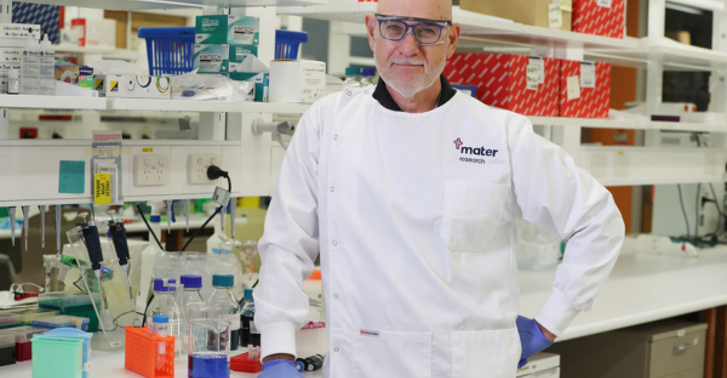
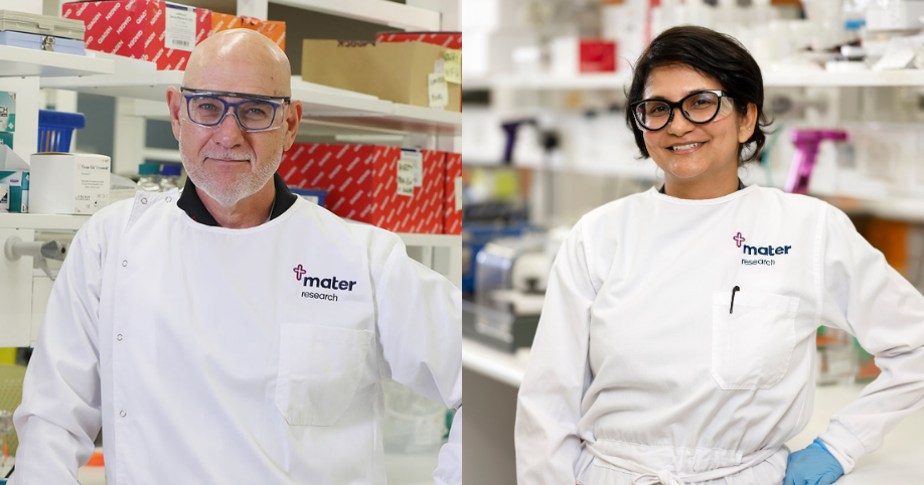
The results of the study, led by Professor Brian Gabrielli, have just been published in the leading journal Cell Death & Differentiation.
“Further work is needed before we can progress to clinical studies involving cancer patients, but these early results are exciting,” Prof Gabrielli said.
Prof Gabrielli said conventional cancer treatments focus primarily on eliminating tumours, but often cause collateral damage and actively impair a patient's immunity.
“Standard chemotherapy drugs typically cause cancer cells to die in an orderly, programmed way known as apoptosis,” Prof Gabrielli said.
“Because this form of cell death often goes unnoticed by the immune system, it fails to trigger a strong anti-tumour response.”
To combat this, the researchers investigated whether forcing cancer cells to die in a more inflammatory manner could generate a stronger immune response.
The team tested a novel combination of a drug that inhibits the protein CHK1 (which stops cancer cells from repairing DNA damage, causing them to die) and a low dose of chemotherapy drug hydroxyurea.
The study found the combination treatment traps cancer cells during the vulnerable stage of the cell cycle when they are actively copying their DNA.
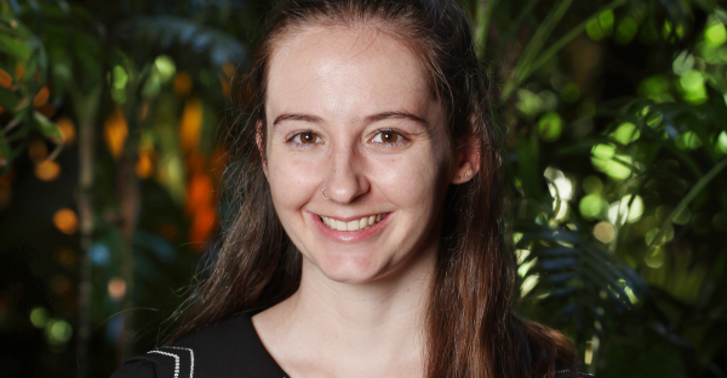
First author Dr Rituparna Bhatt said that halting the tumour cells in this phase activates proteins called caspases.
“These caspases rupture the cell membrane, triggering a highly inflammatory form of cell death known as pyroptosis,” Dr Bhatt said.
“This causes the dying cells to release vital danger-associated molecular patterns (DAMPs) directly into the surrounding tissue. These act as a flare, alerting dendritic and T cells to the tumour's presence and recruiting the patient's own immune system to fight the disease.”
When compared to conventional options like doxorubicin, the results were stark.
While both approaches eradicated a similar number of cancer cells, doxorubicin primarily triggered apoptosis. In contrast, the CHK1 inhibitor and low dose hydroxyurea combination generated a stronger immune response and halted tumour growth in preclinical models.
The findings suggest that how cancer cells are killed may be just as important as how many are destroyed, opening new avenues for treatments that actively recruit the immune system to fight cancer.
The full paper, titled S-phase targeted treatment triggers caspase-dependent lytic immunogenic cell death with pyroptotic features in cancers was published in Cell Death & Differentiation in July 2026.