An Australian-first research program aimed at reducing the systemic healthcare barriers Autistic expectant parents continue to encounter during pregnancy and childbirth has been awarded $2.24 million from the Medical Research Future Fund (MRFF).
The SPARK project (Safer Perinatal care for Autistic expectant parents: co-designing Resources and Knowledge) will respond to a significant gap fin the nation’s maternal health system, tackling the inconsistent and often ad hoc provision of inclusive, evidence-based perinatal care tailored to neurodivergent people.
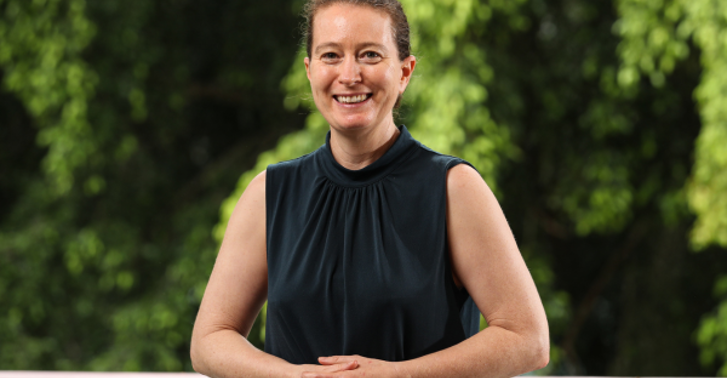
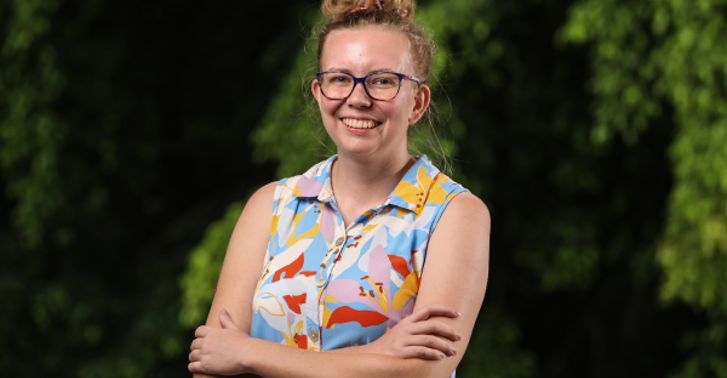
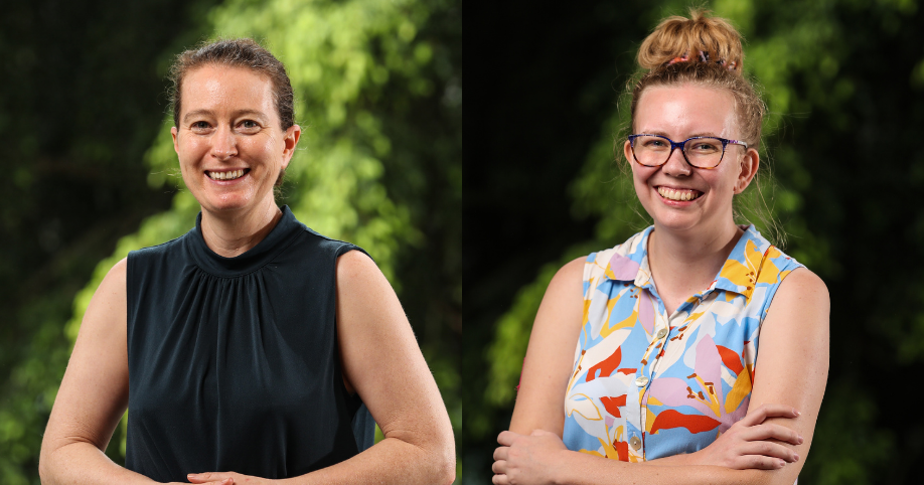
Co-led by Dr Christine Andrews and Dr Katie Brooker from Mater Research and The University of Queensland, the four-year project will address the systemic barriers that can leave Autistic expectant parents feeling judged, misunderstood and unsupported throughout pregnancy and the postnatal period. When these needs are not recognised or accommodated, Autistic expectant parents may experience increased anxiety, reduced trust and reduced engagement with healthcare providers, contributing to poorer maternal and neonatal outcomes.
Dr Andrews, who is a Senior Research Fellow from the Mater Research-based Centre for Research Excellence in Stillbirth (Stillbirth CRE), said that through a multidisciplinary, mixed-methods approach, the team will work directly with Autistic parents, clinicians and educators to co-design practical, strengths-based solutions. Autistic parents bring diverse strengths, insights and communication styles that enrich perinatal care when recognised and supported.
“To ensure the solutions are grounded in lived experience, the SPARK project is anchored by a major partnership with leading NGO Autism Spectrum Australia (ASPECT),” said Dr Andrews.
"By partnering closely with ASPECT and our lived-experience advocates, we are building neurodiversity-affirming resources that will integrate directly into existing digital and educational platforms.
"Our goal is to build a shared understanding between healthcare providers and Autistic parents, improving autonomy, engagement, and ultimately, ensuring safer pregnancies."
Dr Brooker, who leads the research program at the Queensland Centre of Excellence in Intellectual Disability and Autism Health (QCEIDAH), said that despite a growing awareness of neurodiversity across the health sector, for too long, Autistic parents have had to navigate a perinatal care system that doesn't understand or accommodate their unique communication needs and sensory profiles.
"When care is not tailored to these needs, the risks are severe," said Dr Brooker.
" When sensory needs or communication preferences are not accommodated, medical miscommunication, extreme anxiety, and devastating birth trauma can occur.
"This isn't just about making care more comfortable - it is fundamentally about patient safety and ensuring equitable health outcomes for a priority population with unmet healthcare needs.”
Lexi Sullivan, 30, who works alongside Dr Brooker at QCEIDAH is 27 weeks pregnant with her first child and has firsthand experience accessing perinatal care as an Autistic woman.
“One of the hardest things has been realising how many people still see autism as a childhood condition or something that should be obvious from the outside,” Mrs Sullivan said.
“Because I don’t fit that stereotype, my needs are often missed.”
Mrs Sullivan said that simply being asked “what would help you feel more comfortable” would make such a big difference.
“The SPARK project recognises that Autistic women do exist across the lifespan and that our needs are valid, even if they are not immediately visible. Knowing that clinicians are being trained to understand the diversity of Autistic experiences makes me feel more confident that I’ll be met with understanding rather than assumptions.
“For me and my baby, that means clearer communication, less stress and a more positive pregnancy and birth experience. When care is designed to include Autistic women, it removes barriers that should never have been there in the first place.
“Research becomes more accurate, respectful and empowering when Autistic people are invited to share what we need and what our experiences are actually like. This is at the core of our research QCEIDAH.”
Dr Andrews said that the project will move beyond just identifying the problem.
“Our team is focused on rapid translation into clinical practice to create more inclusive maternity services across the country,” Dr Andrews said.
The national consortium brings together leading mid-career clinical and research experts from The University of Queensland, Mater Research, Curtin University, the University of Western Australia, Monash University, and Flinders University to build the capacity of the future leaders in perinatal health.