Stillbirth prevention is at the heart of a $2.99 million Medical Research Future Fund (MRFF) grant awarded to Mater Research, with lived experience central to shaping research.

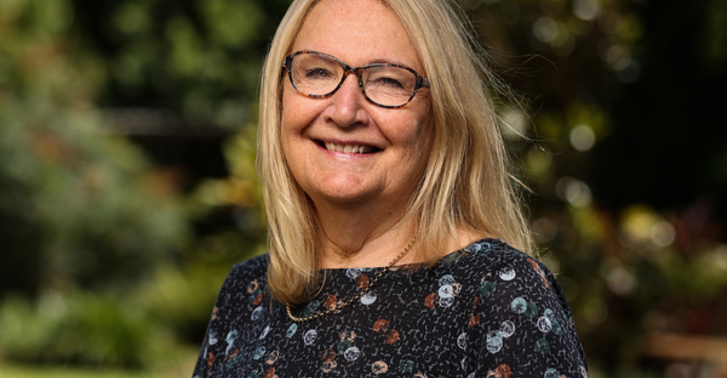
Kylie Stewart lost her first baby, Alexander Hamish, in 2019 after what she describes as a “perfect” pregnancy.
Just two days after a routine 35-week check-up where everything appeared normal, Ms Stewart experienced a placental abruption and baby Alexander was stillborn.
“I went into the hospital, and was examined for quite some time, still assuming that everything was fine. I was at 35 weeks – of course I would be having our baby. I was completely oblivious to the whole concept of stillbirth.”
Despite the complete heartbreak, Ms Stewart said that the day Alexander was born also came with an outpouring of love that words could not describe.
“It was the worst day of our lives, but also the best as we met our son.”
Ms Stewart, who is also now mother to Charlotte, 4, said Alexander is a big part of their family.
“We celebrate his birthday each year with a cake themed in what we think he’d like at that age, and his sister always talks about her baby brother who is older than her.”
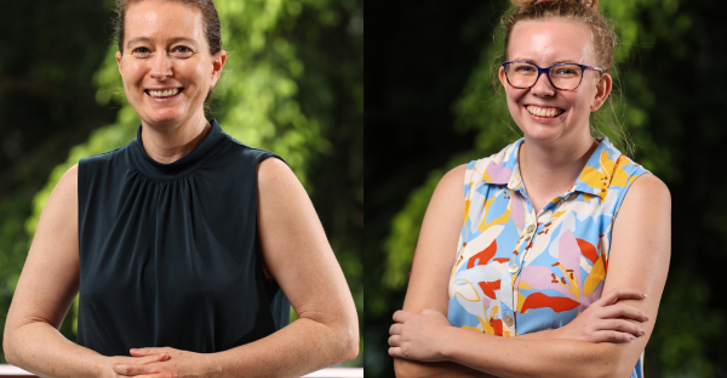
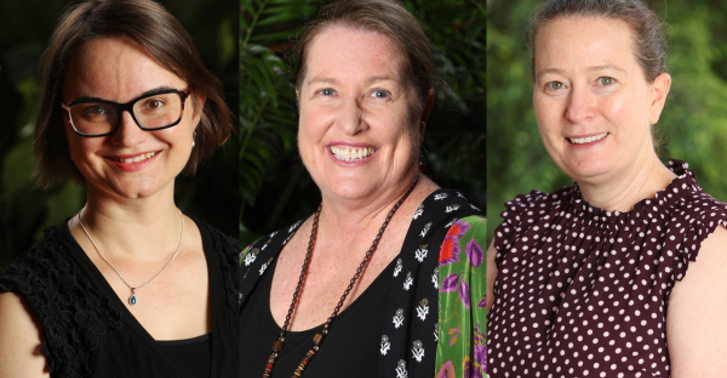
Now, Ms Stewart is using her experience to help shape national research as an Associate Investigator with the Centre of Research Excellence in Stillbirth (Stillbirth CRE), based at Mater Research and The University of Queensland.
She’s part of the Safer Baby SEEK (Strengths-based Education, Empowerment, and Knowledge) project, which aims to reduce stillbirth rates by improving help-seeking during pregnancy.
Safer Baby SEEK is a national commitment to co-designing pregnancy care that reflects the needs of families, especially those who’ve been historically underserved, by supporting and empowering help-seeking when it matters most. By integrating initiatives like Stronger Bubba Born, Growing a Healthy Baby, and the Safer Baby Bundle, SEEK aims to improve health literacy, reduce stigma, and foster culturally respectful, responsive care that leads to healthier pregnancies and better outcomes for all.
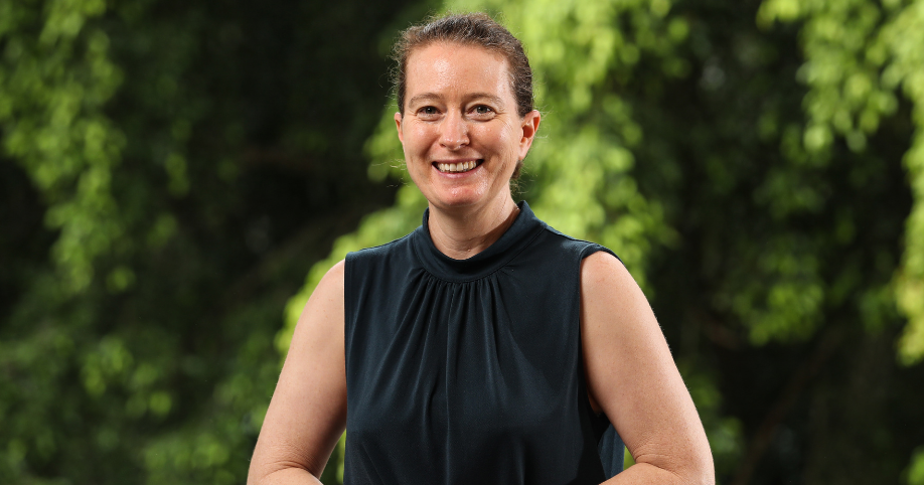
Project lead and Mater Career Track Fellow Dr Christine Andrews said the initiative will co-design culturally safe, responsive resources for parents and healthcare professionals and promote shared understanding for culturally safe and responsive pregnancy care.
“Parents need timely, evidence-based, appropriate, and equal access to help when they are concerned during pregnancy,” Dr Andrews said.
“We hope that by getting rid of barriers and empowering parents to seek help, we can foster healthier pregnancies and reduce the rate of stillbirth.
“We want every parent to feel supported, heard and empowered to seek help during pregnancy.
“This funding allows us to break down barriers and deliver education that saves lives.”
Ms Stewart hopes her story encourages others to trust their instincts.
“You know yourself and your baby better than anyone. If you’re worried, seek help. Even if it turns out to be nothing, it matters for your peace of mind—and it could save your baby’s life,” she said.